Collectables and Personal Use Assets in an SMSF
Self-Managed Super Funds (SMSFs) offer trustees a wide range of investment opportunities beyond traditional shares, cash and property. Some trustees are attracted to alternative investments such as artwork, vintage cars, rare coins, wine collections, antiques and other unique assets that may potentially grow in value over time. While these investments can form part of an SMSF portfolio, they are subject to strict rules and compliance obligations.
The Australian superannuation laws place additional restrictions on collectables and personal use assets to ensure these investments are genuinely held for retirement purposes and not for the personal enjoyment or benefit of fund members or their relatives. The Australian Taxation Office (ATO) closely monitors these investments because of the higher risk that members may receive current-day benefits from assets that should be preserved solely for retirement.
Trustees considering investing in collectables through their SMSF must understand the responsibilities involved and ensure they comply with all legal requirements.
What are Collectables and Personal Use Assets?
The superannuation laws identify a broad range of assets that are considered collectables or personal use assets. These generally include assets that are commonly owned for enjoyment, display or personal interest rather than purely for investment purposes.
Examples include:
- Artwork
- Jewellery
- Antiques
- Artefacts
- Rare books and manuscripts
- Memorabilia
- Wine collections
- Coins and medallions
- Postage stamps
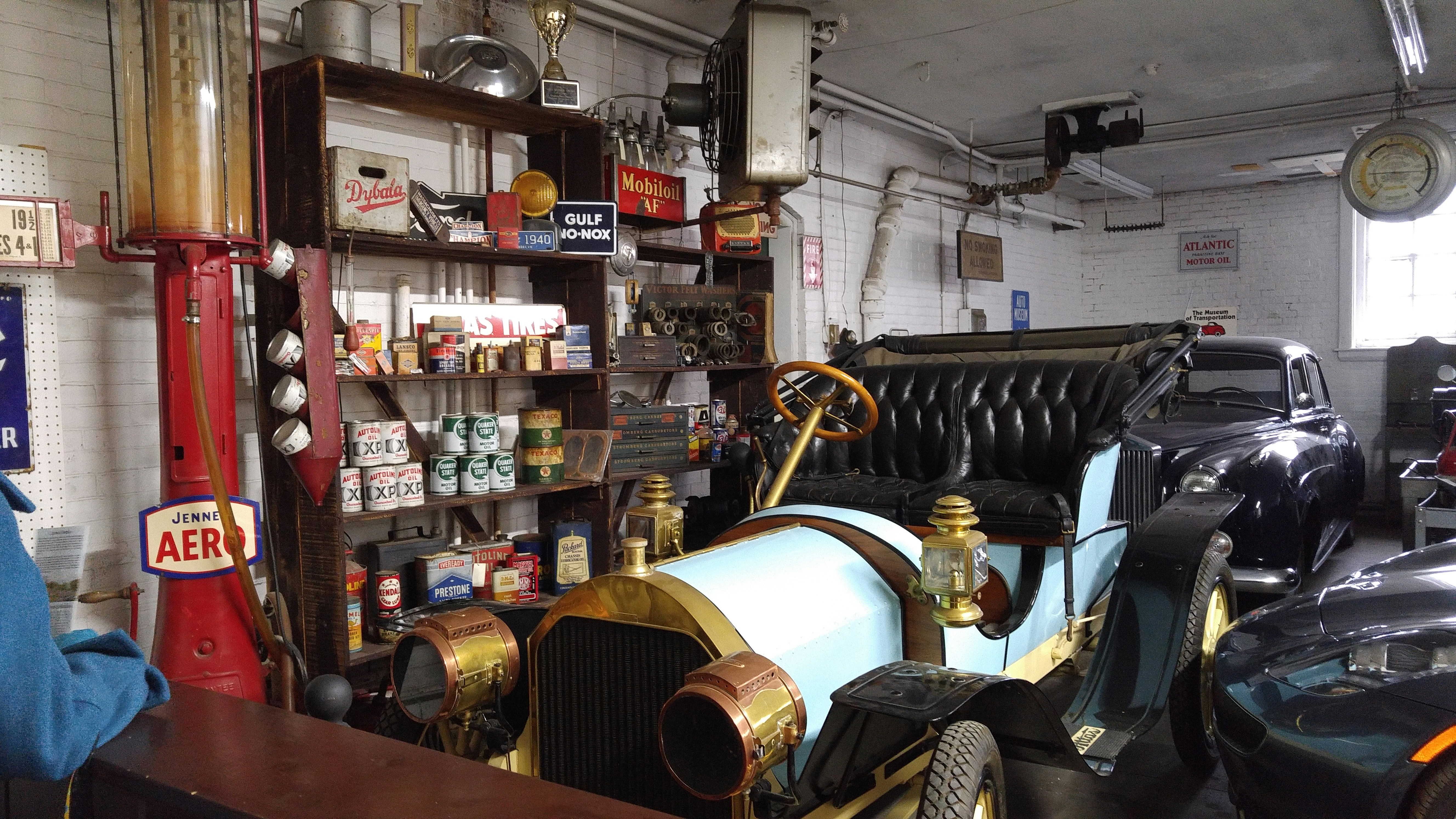
- Vintage or classic motor vehicles
- Recreational boats
- Sporting or social club memberships
In addition to these specifically listed assets, the rules can also apply to any item that is ordinarily used or kept mainly for personal use or enjoyment.
Artwork is broadly defined and can include paintings, sculptures, drawings, engravings, photographs and similar items. Collectable coins are generally those whose market value exceeds their face value, particularly where they are traded as investment items rather than ordinary currency.
Interestingly, the ATO has clarified that loose natural diamonds, including pink diamonds, are generally not treated as collectables when held purely as investment assets. However, once diamonds are mounted into jewellery or used for adornment, they may fall within the collectables rules.
Why are There Special Rules?
The additional rules for collectables and personal use assets exist because these investments can easily create personal enjoyment or private benefits for fund members. Unlike shares or managed funds, assets such as artwork, wine or vintage cars may be enjoyed personally while still technically being owned by the SMSF.
Superannuation law requires SMSFs to satisfy the sole purpose test, meaning the fund must exist solely to provide retirement benefits to members or death benefits to beneficiaries. If trustees or related parties receive current personal benefits from fund assets, the SMSF may breach this requirement.
The rules are therefore designed to ensure these assets are genuinely held as investments for retirement purposes rather than for personal use.
Can SMSFs Invest in Collectables?
Yes, SMSFs are permitted to invest in collectables and personal use assets provided the investment is allowed under the fund’s investment strategy and all compliance obligations are met.
However, trustees should carefully consider whether these investments are appropriate for the SMSF. Collectables can involve unique risks, including:
- Limited liquidity
- Valuation difficulties
- Storage costs
- Insurance expenses
- Market volatility
- Limited income generation
- Compliance complexity
Because of these factors, trustees should ensure that any investment in collectables aligns with the retirement objectives of the fund and forms part of a properly documented investment strategy.
Strict Rules Apply to Collectables
Since 1 July 2011, specific rules have applied to collectables and personal use assets held by SMSFs. Transitional arrangements existed for older assets, but since 1 July 2016 all collectables held by SMSFs must fully comply with these requirements regardless of when they were acquired.
The rules impose several important obligations on trustees relating to leasing, storage, documentation, insurance, use and valuation of these assets.
Leasing Collectables to Related Parties
One of the key restrictions is that collectables and personal use assets cannot be leased to related parties of the SMSF.
A related party generally includes:
- Members of the fund
- Relatives of members
- Related companies or trusts
- Business entities controlled by members or relatives
Importantly, the rules apply not only to formal lease agreements but also to informal arrangements where related parties use or control the use of the asset.
Before these rules were introduced, it was relatively common for trustees to display SMSF-owned artwork in their homes or offices. Even where there was no formal lease, this often created concerns under the sole purpose test because members were obtaining personal enjoyment from the asset.
Today, such arrangements are specifically prohibited.
However, leasing collectables to unrelated third parties may still be acceptable if all other superannuation rules are satisfied. For example, an SMSF may lease artwork to an independent art gallery provided the gallery is not related to the members of the fund.
The key principle is that related parties must not obtain personal enjoyment or private use of SMSF collectables.
Storage Rules for Collectables
The storage requirements for collectables are particularly strict.
SMSF collectables and personal use assets cannot be stored at the private residence of a related party. This includes:
- The main residence
- Holiday homes
- Garages
- Sheds
- Wine cellars
- Any surrounding land associated with the residence
The purpose of this restriction is to reduce the possibility of members personally enjoying or using the asset.
For example:
- An SMSF-owned painting cannot hang in a trustee’s home
- Wine owned by the SMSF cannot be stored in a member’s cellar
- A collectable vehicle cannot be stored in a member’s garage
However, the rules do allow assets to be stored at other locations owned by related parties, such as commercial premises or professional storage facilities, provided the other compliance requirements are satisfied.
Even in those situations, trustees must ensure the assets are not displayed or used by related parties.
Displaying Collectables Is Considered “Use”
One important point clarified by the ATO is that displaying a collectable asset is considered using it.
This creates practical challenges for many collectable investments because the value of such assets is often connected to their visibility, presentation or enjoyment.
For example:
- Artwork displayed in a business office may breach the rules
- Vintage cars driven or showcased by members are considered used
- Memorabilia displayed in commercial premises may create compliance concerns
Even if a related party is willing to pay for the use or display of the asset, the arrangement may still breach the regulations.
Trustees must therefore be extremely careful about how and where collectables are stored and whether related parties have any access to or enjoyment from them.
Documenting Storage Decisions
The regulations also require trustees to properly document decisions relating to the storage of collectables and personal use assets.
Trustees must:
- Record why the chosen storage arrangement is appropriate
- Keep written records of the decision
- Retain those records for at least 10 years
This documentation requirement is intended to ensure trustees actively consider how the storage arrangement supports the retirement purpose of the investment and avoids breaches of the sole purpose test.
The regulations do not prescribe what reasons are acceptable. Instead, trustees are expected to demonstrate that they have properly considered the storage arrangement as part of their investment management responsibilities.
The documentation may be included in:
- Trustee meeting minutes
- Investment strategy documents
- Separate written records
- Electronic files
Importantly, these records must be available for review by the SMSF auditor if requested.
Insurance Requirements
Another major compliance obligation is insurance.
Most collectables and personal use assets must be insured in the name of the SMSF within seven days of acquisition.
This rule applies to assets such as:
- Artwork
- Jewellery
- Wine collections
- Memorabilia
- Vintage vehicles
- Antiques
The insurance requirement does not generally apply to sporting or social club memberships.
The purpose of compulsory insurance is to protect the retirement savings of members. If an asset is stolen, damaged or destroyed, the SMSF should be financially protected.
The requirement for the insurance policy to be held in the fund’s name also reinforces the separation between SMSF assets and personal assets of members.
This can create practical challenges in some situations. For example, a gallery or storage facility may already insure the asset under its own policy. However, this does not remove the requirement for the SMSF itself to hold appropriate insurance in the name of the fund.
Trustees should therefore ensure insurance arrangements are specifically reviewed when acquiring collectable assets.
Motor Vehicles and Similar Assets
Motor vehicles are one of the most heavily scrutinised collectable investments in SMSFs.
Classic and vintage cars may potentially increase in value over time and are attractive to many investors. However, they also create significant compliance risks because vehicles are naturally designed to be driven and enjoyed.
The rules prohibit related parties from using SMSF-owned vehicles. This means trustees cannot:
- Drive the vehicle personally
- Display it at private events
- Store it at home
- Allow relatives to use it
This can create difficulties because some vehicles require periodic use and maintenance to preserve their condition and value.
Trustees considering investing in classic cars through an SMSF should therefore carefully assess whether the practical compliance obligations outweigh the investment benefits.
Independent Valuation Requirements
Another important rule applies when a collectable or personal use asset is sold or transferred to a related party.
In these situations, the asset must be valued by a qualified independent valuer to ensure the transaction occurs at market value.
The purpose of this rule is to prevent related parties from receiving financial benefits by purchasing SMSF assets below their true market value.
For example:
- A trustee cannot purchase SMSF artwork cheaply from the fund
- A member cannot acquire a collectable vehicle at a discounted value
- Wine collections cannot be transferred below market rates
The ATO requires the valuer to be both qualified and independent.
A qualified valuer is someone who has appropriate experience, expertise and professional knowledge relating to the asset being valued. This may include membership of a recognised professional association or trade body.
An independent valuer must not be:
- A member of the SMSF
- A related party of the fund
- Someone with a financial interest in the transaction
Independent valuations help ensure SMSF transactions remain commercially fair and compliant with superannuation laws.
Investment Strategy Considerations
If an SMSF intends to invest in collectables, the fund’s investment strategy should clearly explain:
- Why the investment is appropriate
- How it supports retirement objectives
- The risks associated with the investment
- Liquidity considerations
- Storage arrangements
- Insurance arrangements
- Diversification impacts
Collectables often produce limited income and may be difficult to sell quickly. Trustees should therefore consider whether holding significant amounts of collectables could affect the liquidity and financial position of the SMSF.
The investment strategy should also address how the trustees will ensure ongoing compliance with the collectables rules.
Risks of Non-Compliance
Failure to comply with the collectables rules can result in serious consequences for SMSF trustees.
Potential penalties include:
- Administrative fines
- Auditor contravention reports
- ATO compliance action
- Disqualification of trustees
- Tax penalties
- Loss of the SMSF’s complying status
Because the rules are strict and highly specific, even seemingly minor breaches can create significant issues.
For example:
- Displaying artwork in a business office
- Storing wine at home
- Failing to insure an asset within seven days
- Inadequate documentation of storage arrangements
These may all potentially lead to compliance breaches.
Practical Considerations Before Investing
Before investing in collectables through an SMSF, trustees should carefully assess several practical questions:
- Is the investment genuinely for retirement purposes?
- Can the asset be stored compliantly?
- Will insurance be readily available?
- How will the asset be valued annually?
- Is the investment sufficiently liquid?
- Will the asset create compliance risks?
- Does the fund have sufficient diversification?
Trustees should also consider the ongoing costs associated with these investments, including:
- Storage fees
- Insurance costs
- Valuation expenses
- Maintenance costs
- Security arrangements
In many cases, the administrative burden of holding collectables within an SMSF may outweigh the potential investment benefits.
The Importance of Professional Advice
Because the rules surrounding collectables and personal use assets are highly specialised, professional advice is strongly recommended before acquiring these investments within an SMSF.
Accountants, financial advisers and SMSF specialists can assist trustees in assessing:
- Compliance obligations
- Storage arrangements
- Insurance requirements
- Valuation processes
- Tax implications
- Investment suitability
Obtaining advice before making the investment is far easier than attempting to correct compliance issues later.
Conclusion
Collectables and personal use assets can provide unique investment opportunities for SMSFs, but they also come with significant compliance obligations and practical challenges.
The superannuation rules are designed to ensure these assets are genuinely held for retirement purposes and not for the personal enjoyment of members or related parties. Strict requirements apply to leasing, storage, use, insurance, documentation and valuation of these assets.
Trustees must take a careful and disciplined approach when investing in collectables through an SMSF. Every aspect of ownership and management should be structured to satisfy the sole purpose test and comply with the detailed superannuation regulations.
With proper planning, documentation and professional advice, collectables may form part of a diversified SMSF investment strategy. However, trustees should always weigh the investment benefits against the compliance risks and ongoing responsibilities associated with these unique assets.Under Regulation 13.14 of the SISR, SMSF assets generally cannot be used as security for borrowings or subjected to charges.
This restriction is intended to protect superannuation assets from being exposed to external claims or liabilities.
In practice, this means trustees cannot:
- Use SMSF assets as security for personal loans
- Provide guarantees over SMSF assets
- Allow creditors to place charges over fund property
Limited exceptions apply in relation to properly structured LRBAs, where the acquired asset itself may be subject to limited recourse security arrangements.
Trustees must ensure they do not inadvertently breach these rules through financing or related party arrangements.